
The Entertainment Software Association has reported that modern gaming increasingly functions as a social activity, with players forming communities that extend beyond gameplay itself. Competitive environments no longer revolve solely around rankings and match results. They also involve digital identity, social interaction, and the value players attach to virtual possessions.
As gaming ecosystems expanded, item-based interactions began evolving alongside them. Community spaces developed around collecting, exchanging, and discussing virtual items that hold symbolic value within specific player groups. Platforms and communities discussing systems such as MM2 betting have become examples of how players observe, evaluate, and participate in item-centered environments that connect social behavior with digital ownership.
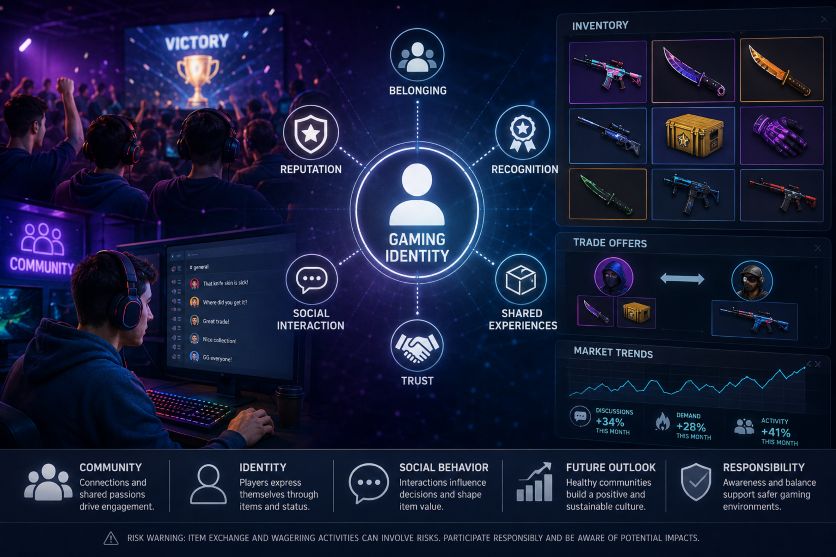
The Growth of Item-Based Communities
Competitive gaming communities once focused mainly on performance. Players measured reputation through scores, rankings, and visible achievements. Over time, however, many gaming environments introduced collectible skins, cosmetic items, and digital inventories. These additions changed how communities interacted.
Items gradually became more than visual additions. They started carrying meaning inside player groups. Some represented experience levels. Others reflected rarity, community recognition, or long-term participation within specific ecosystems.
Research published by the Pew Research Center has highlighted how digital communities increasingly build social relationships around shared interests and symbolic experiences. Within gaming spaces, item ownership became one of those symbols.
As communities grew, discussion spaces expanded across forums, social media platforms, streaming channels, and group chats. Conversations shifted beyond gameplay mechanics into debates surrounding item value, collection trends, and evolving social norms.
The challenge emerging from this growth involves understanding what truly drives participation. While item systems may appear based entirely on numerical rarity or market values, community behavior often reveals something deeper.
Gaming Identity and Status
Competitive environments frequently create identity structures that mirror broader social behavior. Individuals naturally seek belonging within communities, and digital spaces often satisfy that need.
Virtual items contribute to that process because they provide visible markers of identity. A rare item, long-owned inventory piece, or highly recognized digital possession can become part of how players present themselves to others.
Identity inside gaming environments rarely develops through a single factor. It often forms through multiple elements:
- Length of participation within a game community
- Social recognition among peers
- Personal attachment to digital collections
- Shared experiences and community memories
- Participation in item exchanges and discussions
Research from the American Psychological Association has discussed how individuals often use online environments to express aspects of identity and social belonging. Gaming communities create similar patterns where items become visible representations of participation and status.
Still, status within digital spaces can create challenges. Numerical values attached to items may sometimes overshadow emotional meaning or community experiences.
This tension creates an important question: what happens when community recognition becomes heavily linked to digital possessions?
Social Behaviors Surrounding Item Exchanges
Item exchanges rarely function as purely transactional actions. Social behavior frequently influences how individuals approach these systems.
People often assign additional meaning to virtual items based on stories, memories, or community events associated with them. A particular item may carry significance because it was obtained during an important gaming moment or became associated with a specific community trend.
As a result, exchanges frequently involve emotional considerations alongside numerical values.
Several behaviors commonly emerge:
- Community discussions shaping perceived item value
- Social influence affecting preferences
- Reputation-building through visible collections
- Group trends influencing item demand
- Emotional attachment to specific virtual assets
Studies from Stanford University examining online communities have suggested that social validation strongly affects user behavior in digital environments. Visible recognition from peers often influences decision-making even when objective value measurements remain unchanged.
Within some gaming ecosystems, digital item wagering systems and inventory-based exchanges may further shape these interactions. Community attention can sometimes increase the perceived importance of specific items beyond their practical use inside games.
That does not necessarily mean players focus entirely on rarity metrics. Community perception frequently becomes equally important.
The solution for healthier ecosystems may involve encouraging awareness of how social influence affects behavior rather than treating item activity solely as a numerical process.
Future Implications for Gaming Culture
Gaming communities continue evolving rapidly. Virtual ownership systems, digital marketplaces, and expanding player ecosystems suggest that social identity may play an even larger role in future environments.
Developers and researchers increasingly examine how digital communities shape behavior. Discussions now extend into topics such as community responsibility, platform design, and user well-being. Broader conversations surrounding debates around where gaming reward systems begin resembling gambling mechanics also continue influencing how people evaluate digital interactions and item-based systems across competitive environments.
Future systems may place greater attention on transparency and community education. Rather than focusing entirely on rarity rankings or visible inventory status, platforms could encourage healthier interactions emphasizing creativity, participation, and positive engagement.
There are also broader cultural considerations. Digital possessions increasingly resemble social symbols that extend beyond individual games. Communities often create shared language and traditions around item ownership patterns.
However, stronger social influence can also introduce pressures. Individuals may feel encouraged to participate because of group expectations or community trends rather than personal preference.
The World Economic Forum has discussed how digital environments increasingly require balanced approaches that combine innovation with responsible user practices. Gaming ecosystems may face similar conversations as communities continue expanding.
Looking Ahead
Community identity shapes far more than item values. It influences how players interact, how they form social connections, and how they assign meaning within digital environments.
What appears to be a simple item exchange can often reflect larger social patterns involving belonging, recognition, and personal expression. Digital item wagering environments and inventory-centered systems increasingly show that community culture carries significant influence over user behavior.
Risk warning: Some item exchange environments may involve forms of wagering activity that can influence decision-making and emotional responses. Individuals should approach participation responsibly, remain aware of potential risks, and avoid allowing social pressure or emotional investment to drive behavior.
As gaming ecosystems continue evolving, understanding community identity may become just as important as understanding gameplay itself. The future of competitive spaces may depend less on virtual objects alone and more on the communities that assign meaning to them.